Best Protein Powder for Your Goals: A Wellness Coach’s Honest Guide
Disclosure: This post may contain affiliate links. We may earn a commission on qualifying purchases at no extra cost to you.
Most people buy protein powder thinking it’s a shortcut to muscle gain. They mix one shake, feel virtuous, and expect results. That’s not how it works. Protein powder is simply a convenient way to hit your daily protein target—nothing more. Without consistent training and overall good nutrition, the best protein powder in the world will sit in your pantry untouched.
The best protein powder depends on your goals and diet. Whey protein isolate suits most people (fast absorption, complete amino acids). Plant-based blends work for vegans. Casein is ideal for slow-digesting, sustained release before bed. Choose based on your lifestyle and taste preference—consistency matters far more than the “perfect” powder.
Best Choice
Fast-absorbing, complete amino acid profile, minimal lactose. Ideal for post-workout recovery and everyday supplementation. Works for most people unless you’re vegan or lactose-intolerant.
Best for Vegans
Combines pea, rice, hemp, or soy to cover all amino acids. Dairy-free, better for digestion if whey upsets your stomach. Slightly thicker texture; mixes well with plant milk.
Slow Release
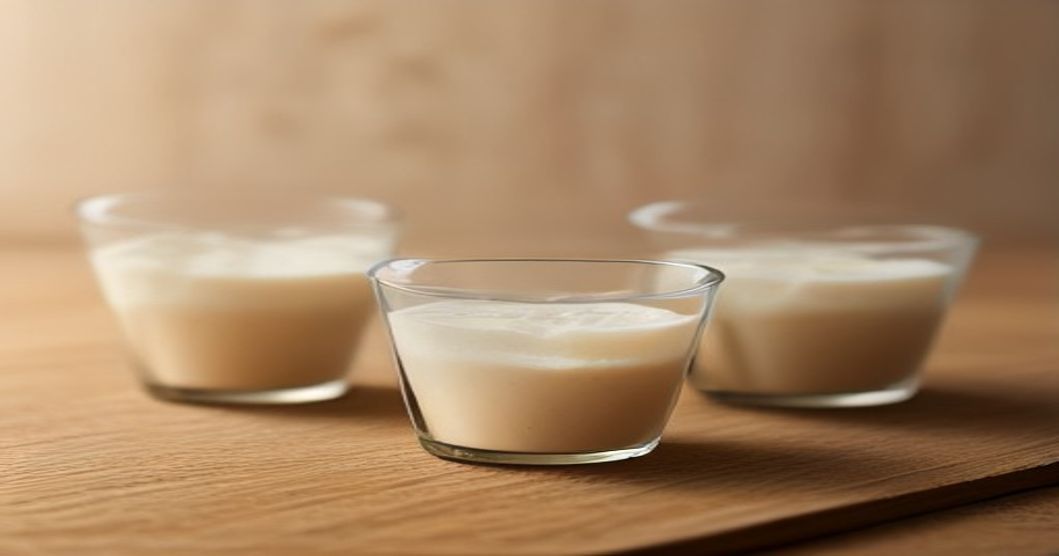
Digests slowly, perfect as a night shake to feed muscles during sleep. Creates a pudding-like consistency. Higher cost and thicker texture than whey, but excellent for sustained amino acid release.
Understanding Protein Types and How They Work
Before you can choose the best protein powder, you need to understand what you’re actually buying. Protein isn’t a single substance—it’s a macronutrient made of amino acids. Nine of those amino acids are “essential,” meaning your body cannot make them; you must consume them.
Whey protein is derived from milk during cheese production. When milk is processed, the liquid leftover (whey) is dried into a powder. Whey contains all nine essential amino acids, plus lactose and a small amount of fat. It absorbs quickly—typically within 30–60 minutes—which is why athletes reach for it after workouts.
Plant-based proteins come from legumes (pea, soy, bean), grains (rice, oat), or seeds (hemp). Single-source plant proteins are rarely complete on their own. Pea protein lacks methionine; rice protein lacks lysine. Quality plant-based powders blend multiple sources to fill those gaps, creating a complete amino acid profile. They absorb slightly slower than whey and often have an earthy taste, though blending formulas have improved dramatically.
Casein is also milk-derived but forms a gel in your stomach, slowing digestion to 5–7 hours. This slow release makes it ideal for sustained amino acid availability, particularly before sleep.
Comparing Key Protein Powder Types
| Type | Absorption Speed | Best For | Downsides |
|---|---|---|---|
| Whey Isolate | 30–60 min | Post-workout, daily use | Not vegan; may cause bloating if lactose-sensitive |
| Whey Concentrate | 30–60 min | Budget-conscious, good flavor | Higher lactose; slightly lower protein per scoop |
| Plant-Based Blend | 45–90 min | Vegans, dairy-free preference | Often thicker, earthier taste; slower amino acid delivery |
| Casein | 5–7 hours | Before bed, sustained release | Expensive; pudding-like texture; not ideal for quick absorption |
What Makes a High-Quality Protein Powder
Not all protein powders are created equal. The difference between a mediocre powder and a good one comes down to a few factors that actually matter.
Ingredient list clarity. If you can’t pronounce or recognize most ingredients, that’s a red flag. Good powders have a short list: whey (or plant protein), a sweetener, flavoring, and maybe a thickener. Avoid long lists of fillers, artificial additives, or mystery “proprietary blends” that hide what you’re really getting.
Third-party testing. Reputable brands submit their powders to independent labs (like NSF Certified for Sport or Informed Choice) to verify that the label matches what’s actually inside. This protects you from contaminants or misleading protein claims. If a brand doesn’t mention testing, it’s worth asking why.
Taste and mixability. The best protein powder is useless if you hate drinking it. Read reviews from people with similar taste preferences—some love vanilla, others find it cloying. Mixability matters too; chalky or clumpy powders are annoying enough to skip doses.
Honest marketing. Watch out for exaggerated claims: “builds muscle overnight,” “burns fat while you sleep,” or “replaces whole food.” Protein powder is a supplement, not a replacement for real nutrition. Any brand overselling results should lose your trust immediately.
Matching Protein Powder to Your Goals
For Muscle Building and Strength
If you’re lifting weights and trying to build muscle, you need consistent protein intake (roughly 0.8–1g per pound of body weight daily) plus progressive overload in your training. Whey isolate works beautifully here because it absorbs fast and contains leucine, an amino acid that signals muscle protein synthesis. Take it within a couple hours after training, and it supports recovery. A post-workout shake with whey isolate and simple carbs (like fruit or rice) is a smart move, but whole food meals throughout the day do the heavy lifting.
For Weight Loss
Protein is your best friend when you’re in a calorie deficit. It preserves muscle, increases satiety, and has a higher thermic effect (your body burns calories digesting it). A protein shake as a breakfast or snack helps you feel full without excess calories. Here, a whey isolate (low in fat and lactose) or a plant-based powder works equally well. The key is fitting it into a consistent calorie deficit with real training—the powder just makes hitting your protein target easier.
For General Health and Recovery
If you’re not training hard but want to support overall recovery, immunity, and muscle maintenance, one protein shake daily alongside balanced meals is plenty. Plant-based or whey isolate both work; choose based on digestive comfort and taste preference. Recovery also depends on sleep, stress management, and whole nutrition—protein powder is just one piece.
For Vegan and Plant-Based Diets
A quality plant-based protein blend (combining pea, rice, hemp, and soy) ensures you get all essential amino acids. Some blends also include probiotics or digestive enzymes, which can help if plant proteins cause bloating. Avoid single-source plant powders unless you’re deliberately blending them with other foods. Check the label for B12 and iron, which are often lower in plant proteins and worth supplementing separately if needed. Our related article Best Multivitamin for Vegan Women 25–35: Iron, B12, and Real Plant-Based Absorption digs deeper into nutrient gaps for plant-based eaters.
- Convenient, portable, time-saving
- Complete amino acid profile (isolates/blends)
- Low calorie, high protein density
- Supports muscle recovery and satiety
- Long shelf life; no spoilage risk
- Mixes easily with water or milk
- No replacement for whole food nutrition
- Some people find whey causes bloating or digestive upset
- Plant-based powders can taste earthy or chalky
- Quality varies widely; cheap powders often taste poor
- Casein is expensive and slow-absorbing
- Requires discipline—won’t work without consistent use
Where to Buy Protein Powder
You have several options. Amazon offers fast shipping and wide selection; check recent reviews and verify the seller is reputable (look for fulfilled by Amazon and a high rating). iHerb is a global marketplace with good pricing and reliable shipping, especially if you’re looking for plant-based or specialty brands. Local health food stores and supplement shops let you ask staff questions and inspect the product before buying. Brand websites sometimes offer discounts or subscription savings. Compare prices across platforms—the same powder can vary significantly.
Whichever platform you choose, read the label carefully. Check the protein content per scoop, ingredient list, and any certifications. Don’t just buy the cheapest option; quality matters, and a $30 powder you actually drink is better than a $15 powder that tastes like chalk and sits unused.

Who This Works For (and Who It Doesn’t)
Protein powder makes sense if you: Train regularly (resistance or endurance), struggle to eat enough whole protein, have a busy schedule and need convenience, follow a vegan diet and need a reliable amino acid source, are recovering from illness or surgery, or want to preserve muscle during a calorie deficit.
Protein powder may not be necessary if you: Eat plenty of whole protein sources (chicken, fish, eggs, beans, yogurt) and hit your daily targets already, don’t train and have no specific recovery goal, have severe dairy sensitivity (whey/casein) and can’t find a plant blend you tolerate, are budget-conscious and can prioritize whole food spending instead, or struggle with consistency and worry you’ll abandon it after two weeks.
How to Use Protein Powder Effectively
Timing doesn’t matter as much as people think. You don’t need to drink protein within 30 minutes of training for it to work. What matters is total daily protein intake spread across the day. A study in the Journal of the International Society of Sports Nutrition found that total daily protein was far more important than timing. That said, a shake within a few hours of training supports recovery when combined with carbs and training stimulus.
Mix protein powder with water, milk, or a milk alternative depending on your goal. Water keeps calories low; milk adds carbs and fat, which enhance recovery. Add fruit (banana, berries) for carbs and flavor. Greek yogurt or cottage cheese adds creaminess and more protein. A simple base: one scoop powder, 8 oz liquid, ice, and blend for 30 seconds.
Don’t exceed your daily protein target just because powder is convenient. More protein doesn’t mean more muscle. Your body can only use so much amino acids for protein synthesis; excess is oxidized for energy or stored. Typical recommendations for muscle building are 0.8–1g per pound of body weight; anything significantly higher isn’t wasted per se, but it’s also not magical.
Common Mistakes to Avoid
Relying on protein powder instead of training. Protein supports recovery only if you’ve actually damaged muscle tissue through resistance training. Without progressive overload and consistency in the gym, no powder will build muscle.
Ignoring total nutrition. A protein shake is not breakfast. Pair it with whole carbs, healthy fats, and micronutrients. Real food should still make up the majority of your diet.
Choosing based on flavor alone. That cookies-and-cream powder tastes amazing in the store, but if it upsets your stomach or mixes poorly, it’s money wasted. Prioritize digestibility and ingredient quality first, then taste.
Buying the cheapest option. Extremely low-priced powders often have poor absorption, weird aftertaste, or thin nutrient profiles. Mid-range brands are usually the sweet spot.
Not checking for third-party testing. Unregulated supplements can contain heavy metals, contaminants, or undeclared ingredients. A few dollars more for a certified product is worth peace of mind.
The Bottom Line: What Actually Matters
The best protein powder is one that fits your lifestyle, tastes good enough to drink regularly, and fits your budget. Whey isolate is the most versatile choice for most people because it’s fast-absorbing, complete, and widely available. If you’re vegan or dairy-sensitive, a plant-based blend does the job just as well. Casein is specialized for slow release, ideal before bed, but not essential unless you specifically want that sustained amino acid drip.
None of this matters if you don’t use it consistently or if you neglect the actual drivers of progress: progressive training, adequate total protein intake, sleep, and stress management. Protein powder is a tool that makes hitting your targets easier. It’s not the foundation. Real food, training, and consistency are. Choose a powder, commit to using it, and let it support your actual work in the gym and kitchen.
Start with whey protein isolate if you’re not restricted by diet, or a plant-based blend if you’re vegan. Check for third-party testing, read reviews for taste, and buy from a reputable source like Amazon or iHerb. One practical tip: keep your protein powder next to your water bottle as a visual reminder to use it consistently. You can buy from Amazon or iHerb to compare pricing and read the latest customer feedback before committing.
Affiliate Disclosure: This article contains affiliate links to Amazon and iHerb. I earn a commission if you purchase through these links at no extra cost to you. These links help support the research and writing of honest, evidence-based supplement guides. As an Amazon Associate I earn from qualifying purchases. I only recommend products and retailers I believe offer genuine value based on ingredient quality, third-party testing, and real user feedback.