Natural Allergy Relief Supplements: What Actually Works Beyond Cetirizine

Disclosure: This post may contain affiliate links. We may earn a commission on qualifying purchases at no extra cost to you.
Three years ago, I stood in a pharmacy aisle in late April, staring at a wall of cetirizine boxes. My eyes were itching, my nose felt like a faucet, and I’d already burned through two bottles that season. The pharmacist, kind but efficient, shrugged when I asked if there was anything else I could try. ‘More cetirizine, or switch to an alternative antihistamine,’ she said. It wasn’t bad advice, but it left me feeling stuck—as if seasonal allergies were just a problem to medicate quarterly, not something I could actually address.
Natural antihistamine supplements like quercetin, stinging nettle leaf, and bromelain take 2–4 weeks to show full effect, but can reduce reliance on cetirizine for mild-to-moderate allergies. They work through inflammation-dampening pathways rather than receptor blocking, making them a reasonable complementary strategy—not a replacement for severe allergies.
The Reality of Cetirizine and Why People Look Beyond It
Cetirizine works. It’s an H1-receptor antagonist—it blocks the histamine that your mast cells release when they sense an allergen. For many people, it’s genuinely the right tool. The speed is one appeal: most people feel relief within 30–45 minutes. The problem isn’t efficacy; it’s nuance.
Some people notice tolerance buildup after weeks of daily use—meaning the same dose stops working as well. Others experience side effects: drowsiness (less common with newer formulations, but still reported), dry mouth, headache, or that foggy afternoon feeling that makes concentration harder. Still others simply want to explore whether their body can handle milder support first, before jumping to a pharmaceutical.
That’s where the conversation around natural alternatives becomes interesting. Not because they’re magic, but because they work differently—and sometimes, for a subset of people with mild-to-moderate allergies, that difference matters.
How Natural Antihistamines Actually Work (The Honest Version)
Let’s establish something upfront: when people say ‘natural antihistamine,’ they don’t mean a compound that blocks H1 receptors the way cetirizine does. Natural options typically work upstream—they reduce the *production* or *release* of histamine, or they lower the inflammatory cascade that makes allergies feel worse.
Quercetin, a flavonoid found in apples, red onions, berries, and leafy greens, is one of the most-studied botanical options. It stabilizes mast cells, meaning it makes them less likely to degranulate (rupture and release histamine) in the first place. This is genuinely useful, but it’s not a quick fix. You need to build a steady state of quercetin in your system—usually 2–3 weeks of consistent dosing before you notice a meaningful reduction in sneezing or congestion.
Stinging nettle leaf (Urtica dioica), brewed as a tea or taken as a freeze-dried powder, works through multiple mechanisms. It contains compounds that may inhibit pro-inflammatory cytokines and provide gentle antihistamine activity on its own. Interestingly, many people in regions where nettle grows wild have used it for centuries for exactly this purpose. The evidence is moderate—not slam-dunk, but encouraging enough that it’s worth a trial if you’re mild-to-moderate with symptoms.
Bromelain, an enzyme from pineapple stem, has anti-inflammatory properties and may help reduce swelling in nasal passages and sinuses. It doesn’t directly block histamine, but it can reduce the tissue inflammation that makes congestion feel unbearable. Some people pair it with quercetin for a two-pronged approach.
The Timeline: Why ‘Natural’ Doesn’t Mean Instant
This is the hardest sell about natural supplements, and it’s also the most honest part.
If your allergies flare up on a Tuesday morning and you’re sneezing by noon, cetirizine is your friend. Take a tablet, wait 30 minutes, feel better. A natural approach doesn’t work that way. Quercetin, nettle, and similar options require your body to achieve a steady state—usually 2 to 4 weeks of daily, consistent use before you notice the full effect. Some people see modest improvement by week two; others need the full month.
This matters psychologically. Most people expect supplements to work like medication, which means they judge effectiveness within days. When nothing dramatic happens by day four, they assume the supplement is useless and stop. In reality, they just quit before the timeline kicked in.
If you’re considering a natural approach, commit to tracking for at least 4 weeks. I mean actually write it down: number of sneezing episodes per day, congestion level on a 1–10 scale, eye itchiness. By week 4, look back at week 1. The improvements are usually subtle—fewer sneezing fits, slightly easier breathing—not a complete absence of symptoms. But subtle is often enough for people to feel less dependent on medication.
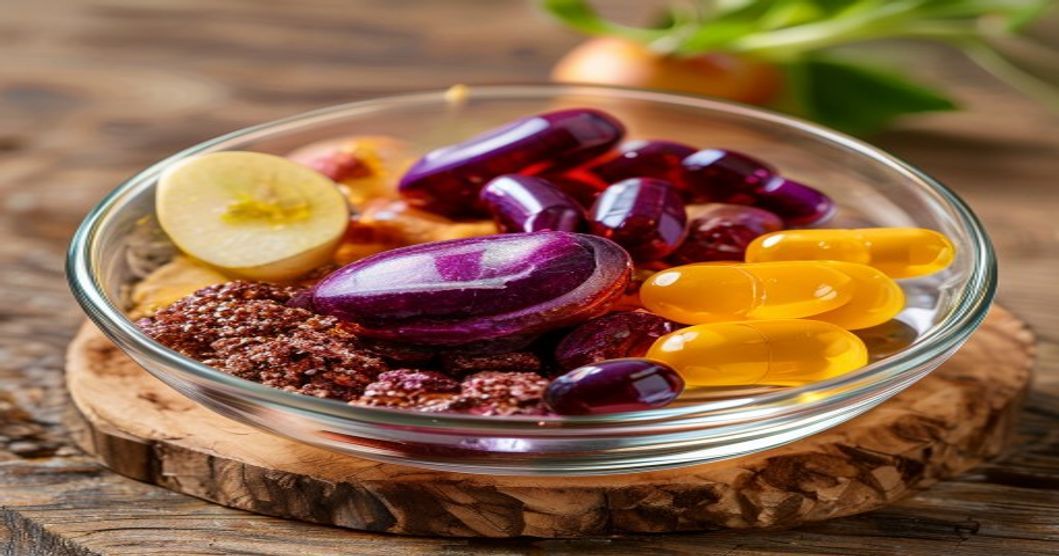
Building Your Strategy: What the Combination Approach Looks Like
Here’s where honest evidence-based thinking comes in: you don’t have to choose between cetirizine and natural supplements. For mild-to-moderate allergies, many people find a hybrid approach useful.
Week 1–3: Load the natural foundations. Start taking quercetin (500–1000 mg daily, split into two doses), stinging nettle leaf (freeze-dried powder or tea, 1–2 grams daily), and optionally bromelain (500–1000 mg on an empty stomach, since food interferes with enzyme activity). Don’t expect miracles yet; you’re building baseline support. Still take cetirizine as needed when symptoms feel urgent.
Week 4 onward: Reassess and adjust. By this point, you should notice a subtle shift in how often you *need* cetirizine. Maybe you went from taking it daily to taking it 4–5 times a week. Some people can back off entirely; others still need it but at reduced frequency. The goal isn’t replacement; it’s reduction and resilience.
This matters because it lowers your total histamine-blocking load (which might reduce tolerance buildup) and gives you a safety net if you want to dial back a medication you’ve been relying on.
What Matters When Choosing a Supplement
Quality control is non-negotiable here. Unlike pharmaceuticals, supplements aren’t automatically tested by regulators before they hit shelves. You need to do a bit of vetting.
Third-party testing: Look for brands that get tested by NSF International, USP, or ConsumerLab. These agencies verify that the product actually contains what the label claims and is free of heavy metals, mold, and undisclosed ingredients. It adds cost (maybe 20–30% more), but it removes a lot of guesswork.
Source transparency: Does the brand tell you where their quercetin comes from, or how their nettle was grown? Transparency isn’t a guarantee of quality, but evasiveness is a red flag.
Dosing honesty: Some supplements stack multiple ingredients in tiny doses, betting you won’t notice. Look for single-ingredient options or clearly disclosed blends where each component is present in a meaningful amount. A quercetin supplement with 50 mg of quercetin and 10 ingredients? Probably not optimized for allergies.
For sourcing, reputable retailers like Amazon and iHerb (Impact affiliate) tend to have stricter vetting than random supplement sites, though they’re not foolproof. Always read recent reviews for consistency reports—if fifty people say it worked, and fifty say they couldn’t taste a difference, you have honest feedback.

Who This Actually Works For—and Who It Doesn’t
Natural antihistamine supplements are a reasonable fit if:
- You have mild-to-moderate seasonal or year-round allergies, not debilitating ones.
- You’re open to a 3–4 week timeline before judging effectiveness.
- You prefer to avoid daily pharmaceutical dosing if possible, or you’ve noticed tolerance buildup with cetirizine.
- You’re willing to track symptoms honestly to spot subtle improvements.
- You have no contradicting medications or health conditions that rule out quercetin or nettle (check with your doctor).
They’re probably not the right first move if:
- Your allergies are severe—swelling, anaphylaxis risk, or symptoms that wreck your day. In that case, pharmaceuticals are the baseline, and natural options are occasional add-ons only.
- You need relief *today.* Cetirizine or another fast-acting antihistamine is the answer.
- You’re pregnant or nursing without explicit OB guidance. Many herbal options haven’t been extensively studied in pregnancy, so conservative approach is wise.
- You’re on medications that interact with quercetin or nettle (blood thinners, certain antihistamines, some immunosuppressants). This isn’t a hard no, but it requires professional oversight.
- You’re skeptical by nature and unlikely to give a supplement 4 weeks of honest trial. Confirmation bias cuts both ways—if you expect it to fail, you’ll notice failures and ignore successes.
A Word on Seasonal Prep and Maintenance
One detail that shifts the equation: starting natural antihistamine support *before* your allergy season hits is significantly more effective than waiting until you’re already miserable.
If you know your allergies spike in April, start quercetin and nettle in late February or early March. By the time pollen counts rise, you’ve already built up that steady state, and your mast cells are primed to be calmer. This is preventive allergy management, not reactive rescue—and it’s one of the clearest wins for the natural approach.
The same logic applies to garlic and immune-supporting supplements for year-round respiratory wellness. Building a baseline of anti-inflammatory support is more effective than scrambling once symptoms arrive.
Practical Integration With Overall Wellness
I’ll circle back to something subtle: the reason natural supplements sometimes feel like they ‘work’ is partly pharmacological and partly lifestyle. When you commit 4 weeks to taking quercetin consistently, you’re also usually paying attention to sleep, hydration, and stress—all of which dampen allergic response. Antihistamine supplements work *better* if you’re not sleep-deprived, dehydrated, and stressed. This isn’t magic; it’s basic biology.
Some practical layers:
- Neti pot or saline rinse: Mechanically clearing pollen from nasal passages reduces the allergen load your immune system has to respond to. Use this daily during high pollen season, paired with supplements.
- Sleep quality: Histamine is regulated partly by circadian rhythm. Poor sleep amplifies allergic response. 7+ hours matters.
- Omega-3 fats: These have mild anti-inflammatory effects. If you’re not eating fatty fish regularly, a supplement is a reasonable add.
- Quercetin-rich foods: You can’t eat your way to allergy relief, but apples, red onions, berries, and cruciferous greens provide small amounts. No reason to avoid them.
None of this replaces a good natural antihistamine supplement, but the whole system working together is what moves the needle.
Natural antihistamine supplements like quercetin and stinging nettle leaf offer a legitimate pathway for people with mild-to-moderate allergies to reduce cetirizine dependence—if you commit to a 3–4 week timeline and track honestly. They’re not fast, they’re not a replacement for severe allergies, but they work through genuine anti-inflammatory pathways. Start in late winter before pollen season, use third-party tested brands, and layer with sleep and hydration for best results.
Further Reading
If you’re thinking about overall health optimization around allergies and immunity, you might also explore multivitamins for women in their 50s and 60s or multivitamins for men in their 40s and 50s—both of which touch on anti-inflammatory and immune support across the lifespan.
Disclosure: This article contains affiliate links to Amazon and iHerb. We may earn a commission if you purchase through these links. As an Amazon Associate I earn from qualifying purchases. All opinions expressed are based on research and evidence review, not paid endorsements.