Best Creatine Supplement for Muscle Strength and Performance: A Goal-Based Guide
Disclosure: This post may contain affiliate links. We may earn a commission on qualifying purchases at no extra cost to you.
You’ve been training consistently for months, eating enough protein, sleeping reasonably well — and yet your strength progress has stalled. A friend mentions creatine, you look it up, and suddenly you’re drowning in products claiming to be “ultra-absorbing” or “pH-buffered” or “next-generation.” It gets overwhelming fast.
Here’s what I’ve found after spending considerable time reviewing the research: creatine is one of the most studied performance supplements available, but the marketing around it often makes choosing harder, not easier. This guide cuts through that noise.
Top Pick
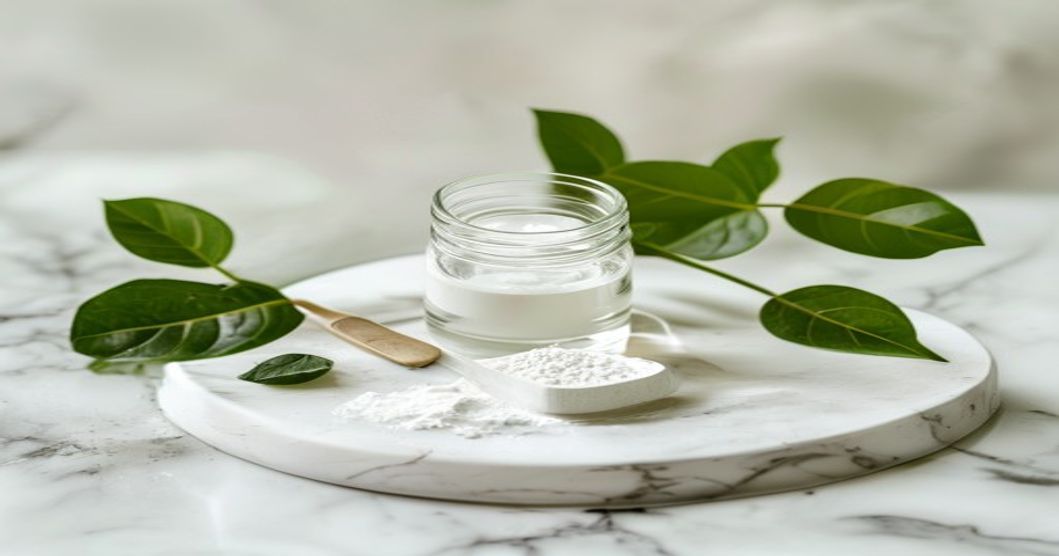
Best for most people — strength training, general fitness, and endurance athletes who want solid evidence behind their choice. Micronized particles mix more smoothly than standard monohydrate, and the cost per serving is typically the lowest of all creatine forms.
Best Value (Sensitive Stomachs)
A reasonable option if monohydrate causes noticeable bloating or stomach upset. It’s more soluble, so doses are smaller — though you’ll pay more per gram and the performance research base isn’t as extensive as monohydrate’s.
Premium
Marketed as more stable and easier on the stomach, buffered creatine carries a higher price tag. Research doesn’t show it outperforms monohydrate — so the extra cost is mostly about personal tolerance, not measurable performance gains.
What Creatine Actually Does (Without the Hype)
Creatine isn’t a stimulant and it doesn’t directly build muscle. What it does do is increase phosphocreatine availability in your muscles, which helps your cells regenerate ATP (adenosine triphosphate) — the energy currency used during high-intensity efforts like heavy lifting, sprints, or explosive jumps.
The reality: you might squeeze out a few extra reps at a given weight, or sustain power output slightly longer. Over weeks and months of training, those small gains add up to real strength progress. That’s the actual mechanism — no magic involved.
There’s also early research on creatine’s role in brain function and recovery, particularly for people who are sleep-deprived, but that evidence is still developing. For strength and performance? The data is solid and consistent.
Best Creatine Supplement by Training Goal
The “best” choice depends entirely on what you’re trying to accomplish.
| Goal | Best Form | Why It Fits | Watch Out For |
|---|---|---|---|
| Muscle strength (lifting) | Micronized monohydrate | Most studied; cost-effective; well-tolerated | Initial water weight increase |
| Endurance & high-rep athletes | Monohydrate or HCl | Supports repeated sprint and burst efforts | Less benefit for purely aerobic work |
| Sensitive GI / bloating | Creatine HCl | Higher solubility, smaller dose volume | Higher cost per gram |
| Budget-conscious training | Standard monohydrate powder | Lowest cost of all forms; same core benefit | Slightly grainier mix than micronized |
| Convenience (travel, capsules) | Monohydrate capsules | No measuring, no mixing | More capsules per dose; cost can add up |

How to Read a Creatine Label (What Actually Matters)
Most buying guides get fuzzy here, so let me be specific about what to check.
Third-Party Testing
Look for NSF for Sport, Informed Sport, or Informed Choice certification. These mean an independent lab tested the product for banned substances and checked that the label is accurate. It’s especially important if you compete in any tested sport — but honestly, it’s just good practice regardless.
Serving Size and Dose
Research typically uses 3–5 grams daily for maintenance — check what the label actually recommends. If a product lists a tiny serving to look impressive per-serving, do the math: how many days does one container last at a proper dose? Some “budget” products are deceptively small once you do the math.
Additives and Fillers
Pure creatine powder should have one ingredient. When you see a long list of proprietary blends, artificial colors, or mystery “performance matrices,” you’re mostly paying for marketing. The actual creatine doing the work is a fraction of what you’re spending.
Creatine Ethyl Ester — Skip It
This one deserves to be called out directly: creatine ethyl ester was hyped as superior. Research doesn’t support that, and some evidence suggests it breaks down to creatinine (a waste product) faster than monohydrate. It’s one of the few forms where the downside is actually documented. Pass on it.
- One of the most research-backed performance supplements available
- Supports strength gains and high-intensity output over time
- Generally safe for healthy adults at standard doses
- Multiple forms available to suit different tolerances and budgets
- Affordable cost per serving on monohydrate powder
- Growing evidence for cognitive and recovery benefits
- Initial water weight increase can feel unexpected
- Some people are “non-responders” — effects vary between individuals
- Requires consistent daily use to maintain muscle saturation
- Marketing on many products is misleading; label reading matters
- Less benefit for purely aerobic endurance activities
- People with kidney concerns should talk to a doctor before use
Loading vs. Maintenance: Which Protocol Actually Works
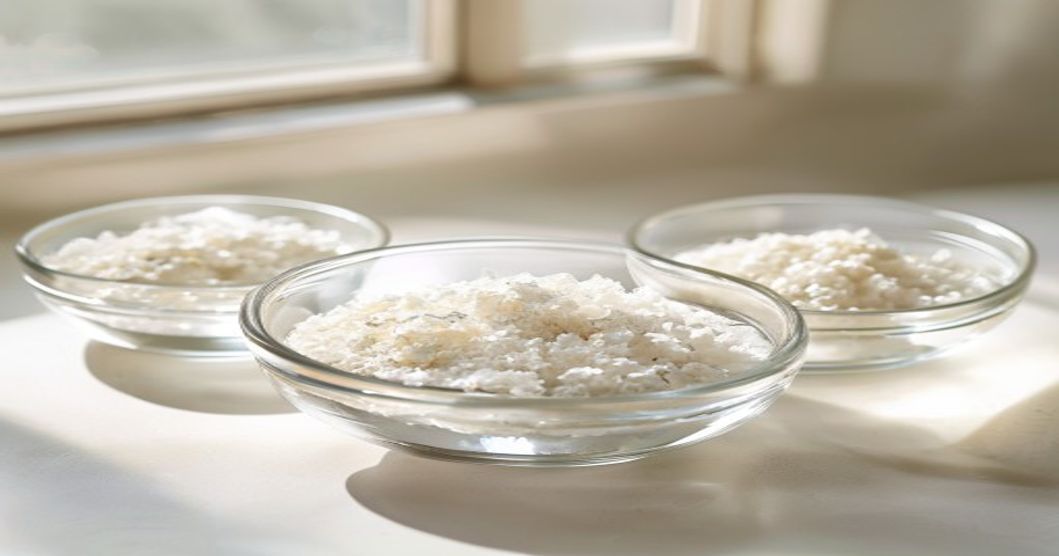
Two common approaches exist. Loading involves taking a higher daily dose for roughly a week to saturate muscles faster, then switching to a lower maintenance dose. Non-loading skips that first phase and goes straight to a consistent maintenance dose from day one.
Both reach the same endpoint — full muscle saturation. Loading just gets there faster, typically within days instead of several weeks. The trade-off is that higher doses during loading can trigger GI discomfort for some people. If your stomach is sensitive, skipping loading and going straight to maintenance is perfectly reasonable.
Taking creatine with carbs or protein may modestly improve absorption, since insulin helps creatine transport. Practically, mixing it into a post-workout shake with carbs and protein is a sensible routine that also serves as a reminder to actually take it daily.
Who This Is For — and Who It Isn’t
This approach fits you if:
- You’re doing resistance training, HIIT, sprints, or any sport with explosive efforts
- You want a supplement with genuine research behind it — not trend-driven hype
- You’re patient enough to give it several weeks before judging results
- You’re willing to read labels and not get sold by fancy packaging
- You’re vegetarian or vegan (dietary creatine comes mostly from meat, so your baseline stores may be lower and you may see a stronger response)
This probably isn’t the right fit if:
- Your primary goal is purely aerobic endurance — the benefit is modest for long-distance running or cycling without high-intensity intervals
- You have existing kidney concerns (not necessarily a reason to avoid it, but definitely something to discuss with a doctor first)
- You’re hoping for dramatic results without consistent training — creatine works alongside training stimulus, not instead of it
- You’re bothered by any scale weight fluctuation
Where to Buy: Amazon vs. iHerb
Both platforms carry a wide range of creatine products and are reliable for supplement purchases in the US. A few practical differences worth knowing:
Amazon has faster shipping for Prime members and a huge selection, but third-party seller listings can sometimes muddy authenticity — stick to products sold directly by established brands or by Amazon itself. Search for creatine monohydrate with a certified seal (NSF, Informed Sport) and filter by that.
iHerb tends to have thoughtful curation of health brands, competitive pricing on bulk orders, and product pages that list certifications clearly. If you’re buying larger quantities or prefer a more curated browsing experience, it’s worth checking.
Neither platform guarantees quality on its own — the third-party certification on the label is what matters, not the retailer.
If you’re building out a broader supplement routine around energy, gut health, or bone support, a few related guides are worth reading: Best Iron Supplement for Energy and Anemia breaks down how to choose iron forms and doses, and our Best Probiotics Supplement for Digestive Health guide covers what strains actually do and sets realistic expectations. Both pair well with a performance-focused supplement stack. Also, if you’re not sure your vitamin D levels are adequate for muscle function and recovery, the Best Vitamin D Supplement for Bone Health guide is worth reading.
Micronized creatine monohydrate is the best creatine supplement for most people pursuing muscle strength and performance. It’s not flashy, it doesn’t have a clever name, and it doesn’t need one. Find a third-party certified product with a clean ingredient list, commit to a consistent daily dose, and give it three to four weeks of real training before deciding whether it works for you. You can browse options on Amazon or iHerb — just bring your label-reading skills with you.
Explore Options on Amazon →
Disclosure: This post contains affiliate links to Amazon and iHerb. If you click through and make a purchase, we may earn a commission at no extra cost to you. As an Amazon Associate I earn from qualifying purchases. This does not influence our editorial recommendations — all picks are based on research and analysis of publicly available information.