Best Multivitamin for Postpartum Women: Energy and Hair Loss Prevention Guide

Disclosure: This post may contain affiliate links. We may earn a commission on qualifying purchases at no extra cost to you.
Here’s what nobody tells you about the postpartum period: the fatigue isn’t just from lack of sleep. Your body has just gone through the equivalent of running a marathon, lost blood volume, depleted nutrient reserves, and is now asking your metabolism to do extra work if you’re breastfeeding. Then, around month three, you look in the shower drain and see more hair than normal. That’s when many women realize they might need nutritional support beyond what dinner alone can provide.
The best postpartum multivitamin targets three things: rebuilding iron depleted by childbirth, supporting energy through B-complex vitamins, and preventing hair loss with biotin and micronutrients. Skip formulas that over-promise and focus on evidence-based nutrient combinations tailored to postpartum recovery.
The Postpartum Nutrient Depletion Myth vs. Reality
Most people think postpartum exhaustion is purely psychological—a result of sleepless nights and stress. That’s only half the story. Pregnancy and childbirth create real nutritional deficits:
- Iron: Pregnancy increases blood volume by 50%. During delivery, even an uncomplicated vaginal birth loses 300-500 mL of blood; a cesarean can mean 800-1000 mL. That’s a direct loss of iron.
- B vitamins: Pregnancy uses up B6, B12, and folate to support fetal development and increase blood volume. Breastfeeding continues to deplete B12 at a higher rate.
- Zinc and biotin: These are essential for hair growth and immune function. Pregnancy and lactation shift zinc away from your skin and hair to support baby development.
- Calcium and magnesium: Your bones release calcium during pregnancy to support fetal skeletal development. Breastfeeding can further deplete maternal stores.
A well-planned diet helps, but hitting therapeutic postpartum doses of iron (18-27 mg/day depending on blood loss) or biotin (2.5 mg/day for hair support) through food alone is difficult. This is where a targeted postpartum multivitamin actually makes sense—not as a miracle cure, but as a practical gap-filler.
What to Look for in a Postpartum Multivitamin Formula
Before you compare brands, understand what actually matters. A good postpartum multivitamin should have:
The non-negotiable nutrients: Iron (at least 18 mg, ideally from a form like ferrous bisglycinate that’s gentler on digestion), biotin (2-2.5 mg for hair, skin, and nails), B12 (critical if breastfeeding or vegetarian), folate (400-800 mcg, especially if planning another pregnancy), and vitamin D (1000-2000 IU, since many postpartum women have low levels).
Iron Form Matters More Than You’d Think
Not all iron is created equal. Standard ferrous sulfate works but causes constipation and nausea in many women—exactly what you don’t need postpartum. Look for ferrous bisglycinate, ferrous fumarate, or chelated iron. These forms are better absorbed and cause fewer digestive issues. If the label doesn’t specify the form, that’s a red flag.
Biotin Dose for Hair Health
The research on biotin and hair is mixed, but women report subjective improvement in hair thickness and shedding when taking 2-2.5 mg daily during the postpartum phase. Standard women’s multivitamins often contain only 30-100 mcg of biotin—not enough for postpartum hair recovery. You need a formula specifically designed for this, or you’ll be wasting money.
B-Complex for Energy (Not False Energy)
B vitamins don’t directly give you energy like caffeine does. What they do is enable your body to convert food into usable energy efficiently. If you’re B-deficient, supplementing with B6, B12, and folate actually restores your capacity to produce energy. This is why postpartum women often feel a real difference—they’re rebuilding depleted reserves, not getting a temporary buzz.
Step-by-Step: How to Choose Your Postpartum Multivitamin
- Check your individual nutrient status first. If you can, ask your doctor for a simple blood test covering iron, B12, vitamin D, and folate. This takes the guesswork out. If testing isn’t available, a standard postpartum formula covers most bases.
- Read the supplement facts label, not the marketing claims. Look for the actual milligram amounts of iron, biotin, and B vitamins. Ignore phrases like “energy boost” or “vitality blend.” These are marketing words. The numbers are what matter.
- Verify the iron form and dose. If it says ferrous sulfate and you know you’re sensitive to it, skip it. If it says ferrous bisglycinate and the dose is 18 mg or higher, that’s a solid choice.
- Check for third-party testing. Look for a USP, NSF, or ConsumerLab verification mark. This doesn’t guarantee quality, but it means someone independent checked that the product contains what the label says.
- Consider your specific situation. If you had severe blood loss or a cesarean, you may need a higher-iron formula. If you’re vegetarian and breastfeeding, B12 becomes critical. If you have a history of hair thinning, prioritize biotin and zinc.
- Start with the lowest effective dose. More is not better. A postpartum multivitamin with 18-20 mg iron and 2 mg biotin works as well as one claiming 30 mg iron. High doses can cause constipation and may interact with other medications.
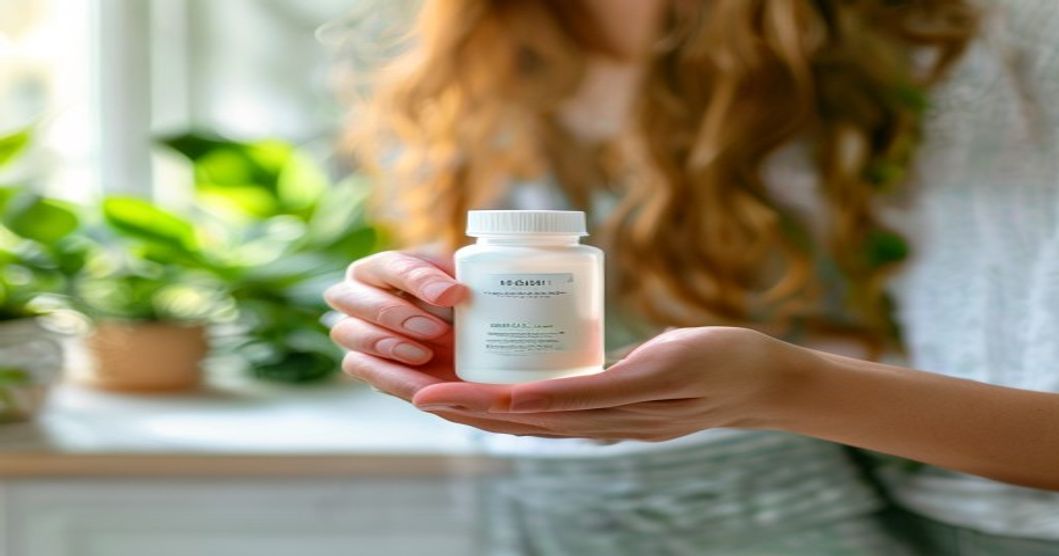
Common Postpartum Multivitamin Formulation Types
| Formula Type | Key Nutrients | Best For |
|---|---|---|
| Postpartum-Specific | High iron, biotin, B12, folate | Women recovering from blood loss and concerned about hair |
| Extended Prenatal (postpartum use) | Similar to prenatal but sometimes with added biotin | Women who want continuity; also safe if breastfeeding |
| Women’s Multivitamin + Iron Supplement | Moderate iron; general women’s nutrients | Women with mild blood loss or who want to customize dosage |
| Gummy or Liquid Formulas | Often lower iron (hard to include in gummy form); good taste | Women who struggle swallowing pills; not ideal if high iron needed |
Managing Side Effects (Because They’re Real)
High-dose iron causes constipation in about 40% of users. That’s not weakness—that’s pharmacology. Here’s how to handle it without abandoning the supplement:
- Take iron with orange juice (vitamin C increases absorption)
- Take it with a meal if nausea is the issue
- Increase water and fiber (aim for 25-30g fiber daily)
- Split the dose: 10 mg twice daily instead of 20 mg once
- Consider stool softener if constipation persists
- Taking iron with milk or calcium (blocks absorption)
- Taking it with coffee or tea right after
- Switching to a lower dose just to avoid side effects if you genuinely need it
- Taking additional iron supplements without checking labels (overdose risk)
Who Benefits Most From Postpartum Multivitamins
You’re an ideal candidate if:
- You had moderate to heavy blood loss during delivery
- You’re breastfeeding and feeling persistently fatigued
- You’re experiencing postpartum hair shedding (not surprising, but wants mitigation)
- You follow a restricted diet (vegetarian, vegan, allergen-limited)
- You had a cesarean birth or significant perineal tearing (higher nutritional demand during healing)
- You had gestational diabetes or preeclampsia during pregnancy (often linked to micronutrient depletion)
You might not need one if:
- You had a very straightforward vaginal delivery with minimal blood loss and no complications
- You’re formula feeding, eating a balanced diet, and energy levels are normal
- Your postpartum hair shedding is minimal (some shedding is expected; it’s not always a deficiency)
- You have a documented nutrient surplus (rare, but possible if you supplemented heavily during pregnancy)
Sourcing and Purchasing Considerations
Whether you’re buying from Amazon, iHerb (Impact), or a local health store, a few rules keep you safe:
Check the return policy and expiration date. Multivitamins do expire. Iron oxidizes, and B vitamins degrade. You want products with at least 1-2 years before expiration. Most reputable sellers (including Amazon and iHerb) handle this well, but it’s worth verifying.
Read user reviews, but with skepticism. A five-star review saying “gave me SO much energy” is likely placebo or sleep improvement (better nutrition helps sleep). A three-star review noting “caused nausea” or “didn’t help my hair” is more specific and useful. Look for reviews that mention actual effects or side effects, not just gushing praise.
Verify the brand has been around a while. Established brands are more likely to maintain quality control and aren’t going to disappear if you need customer service. New brands aren’t bad—they’re just riskier if quality is inconsistent.
Timing, Duration, and When to Reassess
Most women benefit from a postpartum multivitamin for three to six months. That covers the acute postpartum recovery phase and the peak of hormone-related hair shedding. After six months, you can reassess:
If you’re still fatigued at six months, the issue likely isn’t iron depletion anymore—it’s sleep deprivation, possible thyroid dysfunction, or postpartum depression. Those need different interventions. Similarly, if hair shedding continues at the same rate beyond six months, a multivitamin alone won’t fix it.
If you felt noticeably better on the multivitamin and want to continue, that’s fine. Transition to a standard women’s multivitamin (lower iron, but still B vitamins and biotin) or work with a healthcare provider to test whether you specifically need ongoing supplementation.
Postpartum multivitamins aren’t magic, but they address a real biological problem: nutrient depletion from pregnancy and delivery. The best choice focuses on iron (in a gentle form like ferrous bisglycinate), biotin for hair, and B vitamins for energy—not on marketing claims. Choose one designed specifically for postpartum recovery, start it immediately after birth, and reassess at six months. If you’re still struggling with fatigue or hair loss beyond that point, talk to your healthcare provider about other possibilities rather than increasing supplement doses.
Related Reading
If you’re considering supplements for other life stages, you might find these articles helpful: Best Multivitamin for Women Under 40 With Energy and Skin Health Support, Best Multivitamin for Men Over 50: What Actually Supports Prostate and Heart Health, and Best Multivitamin for Men Under 30 With Energy and Workout Recovery Support.
Disclosure: This article contains affiliate links to Amazon and iHerb (Impact). We may earn a commission if you make a purchase through these links, at no additional cost to you. As an Amazon Associate I earn from qualifying purchases. This helps support our research and recommendations. All opinions are independent and based on available evidence, not financial relationships.