Best Omega-3 Supplements by Goal: A Buyer’s Guide to Fish Oil, Algae & Plant-Based Options
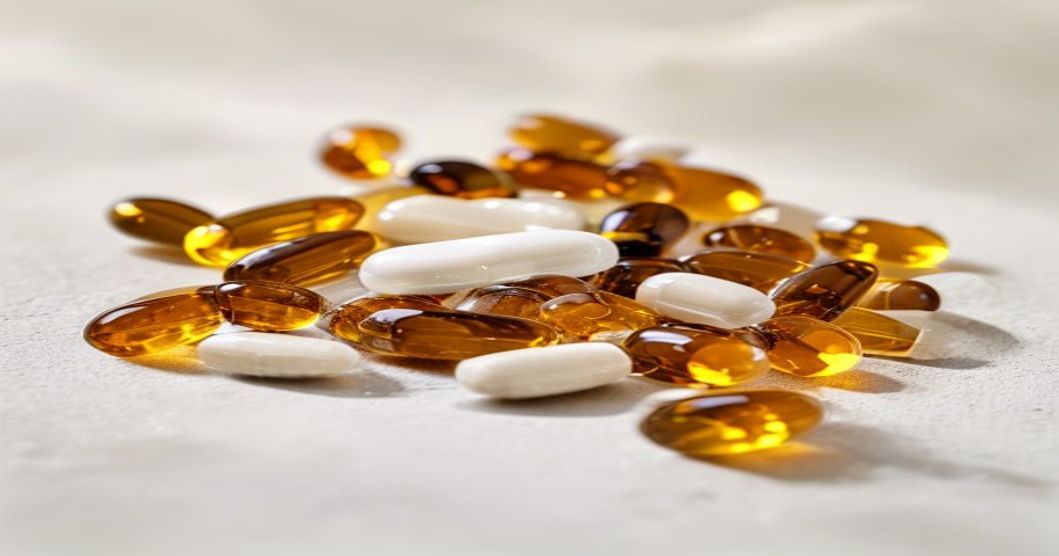
Best Omega-3 Supplements by Goal: A Buyer’s Guide to Fish Oil, Algae & Plant-Based Options
If you’re shopping for an omega-3 supplement, you’ve probably noticed the options are overwhelming. Fish oil dominates the shelves, but algae-based and plant-derived alternatives are gaining ground—especially for vegans and vegetarians. The challenge isn’t just finding an omega-3; it’s finding the right one for your specific health goals, lifestyle, and dietary preferences.
Top Picks: Best Omega-3 Supplements by Category
Top Choice
Best for: Anyone seeking omega-3 support with EPA and DHA. Ideal if cardiovascular health, inflammation support, and cognitive function are your priorities.
Fish oil remains popular because it provides both EPA (eicosapentaenoic acid) and DHA (docosahexaenoic acid) in bioavailable forms—no conversion needed. Look for products tested for purity and free from contaminants.
Best for Vegans
Best for: Vegetarians, vegans, and environmentally conscious consumers who want EPA and DHA without fish. Also ideal for those with taste or aftertaste concerns.
Algae oil is harvested from microalgae—the same source fish accumulate omega-3s from in the ocean. You get vegan-friendly EPA and DHA in bioavailable forms, though typically at concentrations that may differ from fish oil. It’s sustainable, doesn’t carry ocean contaminant risks, and avoids aftertaste concerns some people experience with fish oil.
Best Value
Best for: Budget shoppers and plant-based eaters who want a low-cost omega-3 option. Works as a complementary supplement alongside other sources.
Flaxseed contains ALA (alpha-linolenic acid), a precursor to EPA and DHA. Your body converts only a portion into the active forms, making it less efficient than direct EPA/DHA sources. However, it’s affordable and brings other benefits like lignans and fiber.
Understanding the Three Types of Omega-3 Supplements
Fish Oil: The Research-Backed Standard
Fish oil supplements derive from fatty fish like salmon, mackerel, anchovies, and sardines. They’re rich in EPA and DHA—the two omega-3 fatty acids most extensively studied. Because fish oil directly provides EPA and DHA, your body can use them without metabolic conversion.
The trade-off: Fish oil can have a fishy taste or aftertaste in some users (though modern formulations work to minimize this), it requires sustainable sourcing to address overfishing concerns, and it’s not suitable for vegetarians or vegans. Quality matters significantly—look for products third-party tested for heavy metals and PCBs.
Algae Oil: The Sustainable Plant-Based Alternative
Algae-based omega-3 supplements are produced from cultivated microalgae, bypassing fish entirely. The algae are grown in controlled environments, making contamination risks minimal and sustainability straightforward. You get EPA and DHA in bioavailable forms—the same nutrients fish accumulate in their tissues.
The benefit for environmentally conscious consumers is significant: addresses overfishing concerns, avoids ocean disruption, and provides a truly vegan-certified option. The trade-off is that algae oil is typically more expensive than fish oil, and EPA/DHA concentrations may vary by product. It remains an excellent choice if ethics and sustainability matter to you.
Flaxseed, Chia & Walnut (ALA-Based): The Plant Entry Point
Plant-based omega-3 sources like flaxseed, chia, and walnuts contain ALA, which your body can attempt to convert into EPA and DHA. However, conversion is limited—only a portion becomes usable EPA or DHA. These supplements are affordable and offer extra benefits (fiber, lignans, antioxidants), but they shouldn’t be your sole omega-3 source if you’re seeking targeted cardiovascular or cognitive support.
Many health-conscious consumers use flaxseed as a complementary supplement alongside fish or algae oil for the broader nutrient profile, not as a primary EPA/DHA source.
| Supplement Type | EPA/DHA Content | Best For | Key Consideration |
|---|---|---|---|
| Fish Oil | Typically high (check product label for specific amounts per dose) | Maximum omega-3 intake, cardiovascular health | Check for purity testing; not for vegetarians |
| Algae Oil | Moderate to variable (check product label for specific amounts per dose) | Vegan/vegetarian, sustainable sourcing | Typically costs more than fish oil; may require different serving sizes |
| Flaxseed (ALA) | Limited conversion to EPA/DHA | Budget-conscious, additional fiber/lignans | Use alongside fish or algae for EPA/DHA support |
| Krill Oil | High EPA/DHA, plus astaxanthin | Premium seekers wanting added antioxidants | Premium pricing; sustainability considerations |
Omega-3 Supplements by Health Goal
For Cardiovascular Support
If heart health is your primary goal, fish oil with EPA and DHA is extensively studied. EPA and DHA are associated with support for healthy triglyceride levels and anti-inflammatory pathways; DHA is linked to blood vessel function and circulation. Research typically examines doses in a range, though individual needs vary widely. Consult your healthcare provider for your specific situation and appropriate dosing.
Algae oil is similarly studied—you may need to adjust serving size to reach your target omega-3 intake.
For Brain and Cognitive Function
DHA is emphasized in brain health research and is present in brain tissue. If cognitive support is your focus, look for supplements with meaningful DHA content. Fish oil and algae oil both deliver DHA; flaxseed contributes minimal DHA due to limited conversion.
Some supplement brands specifically market “brain health” formulations emphasizing DHA or combining it with complementary nutrients. Check the label to confirm DHA content—this is where label clarity matters.
For General Inflammation & Joint Health
EPA is associated with anti-inflammatory pathways in research. For joint, skin, or general inflammatory support, look for supplements highlighting EPA content. Fish oil typically has balanced EPA/DHA ratios; some brands formulate for higher EPA. Flaxseed can play a supporting role through its fiber and lignan content, which support gut health—a factor in inflammation management.
For Skin Health (Dermatological Support)
Both EPA and DHA are studied for skin barrier function and inflammatory skin responses. Fish oil and algae supplements with EPA/DHA are commonly used. Some users report subjective improvements in skin hydration and sensitivity after consistent supplementation over weeks, though individual results vary.
How to Choose: Quality Markers & What to Check
Third-Party Testing
Look for supplements tested by organizations like NSF International, USP (United States Pharmacopeia), or ConsumerLab. These verifications confirm that the product contains stated ingredients and is screened for harmful contaminants—particularly important for fish oil.
EPA and DHA Amounts
Check the Supplement Facts label for the exact amounts of EPA and DHA (not just “total omega-3”). A softgel may list high total omega-3 content, but actual EPA+DHA may be notably lower; verify active ingredient amounts. Compare the actual EPA/DHA content, not softgel size.
Form: Softgel vs. Liquid vs. Powder
Softgels are convenient and taste-masked; liquid oils allow for dose adjustment; powders can be mixed into smoothies. Bioavailability is comparable across forms—choose based on personal preference and lifestyle. Liquid formats may oxidize faster if exposed to light and air, so storage matters.
Sustainability & Sourcing
For fish oil, look for certifications like MSC (Marine Stewardship Council) that address fishing practices. For algae oil, verify it’s from cultivated sources. Transparency about sourcing indicates brand integrity.
- Easy, consistent dosing compared to eating fish daily
- Fish oil provides EPA and DHA directly—no conversion needed
- Third-party tested options available to verify purity
- Algae oil offers vegan option with same active compounds
- Associated with cardiovascular, cognitive, and inflammatory support in research
- Long shelf life and convenient to travel with
- Available at various price points
- Fish oil can cause aftertaste or burping in some users
- Algae oil typically costs more than fish oil
- Flaxseed converts to EPA/DHA at limited rates
- Quality varies by brand—choosing wisely matters
- Softgels can be large or numerous, making daily intake inconvenient for some
- Fish oil sourcing raises sustainability considerations
- May interact with blood-thinning medications (consult your doctor)
Where to Buy: Amazon, iHerb & Other Trusted Retailers
Quality omega-3 supplements are widely available. Amazon offers fast shipping and customer reviews that help compare user experiences across brands. iHerb specializes in international supplement sourcing and often carries third-party tested brands. Both platforms let you filter by type (fish oil, algae, vegan) and review ingredient lists before purchasing.
When shopping online, check fulfillment details—supplements should ship in protective packaging during warm months. Look for products with recent manufacturing dates and return policies in case the supplement doesn’t work for you.
Omega-3 Dosage Guidance (Not Medical Advice)
General wellness discussions around omega-3 dosing vary widely based on health goals and individual factors. This is not medical advice—always consult your healthcare provider before starting any supplement regimen, especially if you’re taking medications like blood thinners. Your doctor can recommend appropriate dosing based on your health status.
Consistency matters in supplement routines. Daily supplementation built over months is generally preferred to sporadic high-dose intake. Start with a dose you can sustain, and monitor how you feel over several weeks.
Comparing Omega-3 to Related Supplements
If you’re building a comprehensive wellness routine, omega-3 often pairs well with other supplements. A quality multivitamin provides foundational micronutrients, while omega-3 specifically supports cardiovascular and cognitive function. Together, they address different nutritional needs. Some people add vitamin D, especially if they live in northern climates or spend limited time outdoors, since both vitamin D and omega-3 are studied for immune and bone health support.
Red Flags: What to Avoid
- No third-party testing listed: Unverified supplements may have quality or potency concerns.
- Vague labels: Labels should specify EPA and DHA amounts, not just “total omega-3.” Missing specifics suggest lack of transparency.
- Unusually cheap pricing: Quality omega-3 requires investment. Very low prices may indicate underdosed or lower-quality products.
- No manufacturing date or expiration date: Oil degrades over time; fresher supplements maintain better potency.
- Suspicious marketing claims: Avoid products claiming to “cure” disease or making medical promises. Supplements support health—they don’t replace medical treatment.
The best omega-3 supplement for you depends on your dietary preferences, health goals, and budget. Fish oil is extensively researched for EPA and DHA bioavailability and is often recommended for cardiovascular and cognitive support. If you’re vegan or prioritize sustainability, algae oil delivers the same active compounds without environmental concerns. Flaxseed supplements are budget-friendly and offer complementary benefits, but shouldn’t be your only omega-3 source if you’re targeting specific EPA/DHA intake.
Choose a third-party tested product from a reputable brand, verify EPA and DHA content on the label, and commit to consistent daily use to experience results. Start with a dose you can sustain long-term—consistency supports better outcomes than occasional high doses.
Explore Omega-3 Options on Amazon →
Disclosure
This article contains affiliate links to Amazon and iHerb. As an Amazon Associate I earn from qualifying purchases. Any purchase you make through these links supports this site at no extra cost to you. We recommend products based on quality, research backing, and user value—not commission size. Always verify current pricing and product details before purchasing.